Crafting asset packs for premium publications
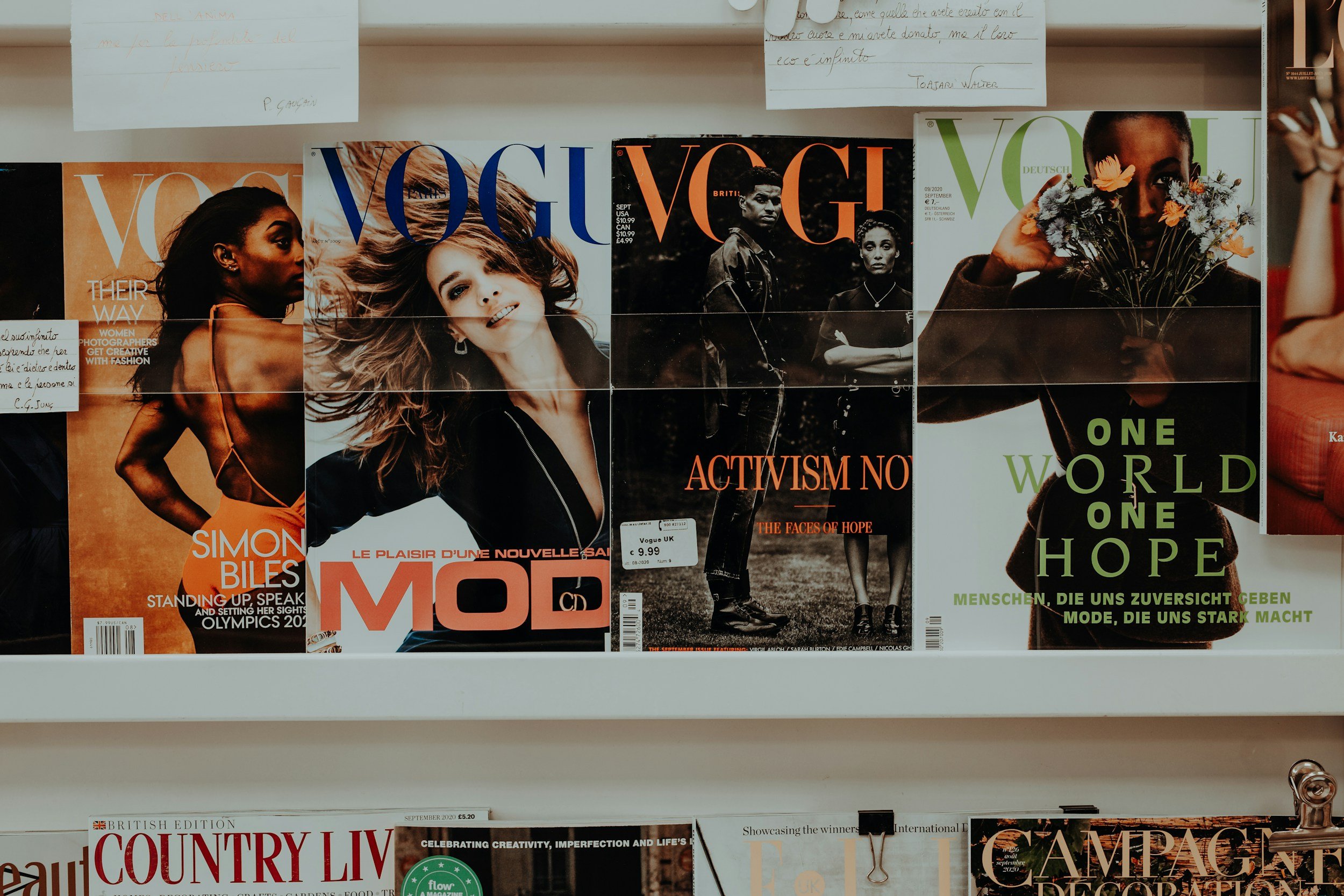
For most boutique hotels and luxury travel brands, landing a multi-page feature in prestigious publications like Condé Nast Traveler, House & Garden or Travel + Leisure is the ultimate endorsement. However, these glossies operate with visual and narrative standards that differ dramatically from social media or booking platforms.
Travel brands need an editorial asset pack that speaks the language of creative directors. Here's how to tailor your materials for the world's most discerning publications.
1. The ‘hero’ vertical - design for print
Digital-first brands prioritise landscape imagery for website headers. Print magazines operate in a vertical world.
The Requirement: Include portrait-orientation shots with uncluttered copy space - typically the top third of the frame featuring clear sky or neutral backgrounds - allowing editors to overlay mastheads or headlines without obscuring key subjects.
Technical Standards: Editorial demands high-resolution CMYK files. Provide TIFFs or JPEGs at 300 DPI minimum. Images that pixelate at full-page size will be immediately rejected, regardless of composition quality.
2. From real estate to still life
Wide-angle real estate photography exists for booking sites, like Booking.com. Editorial photography captures mood, emotion and texture.
The Approach: Provide intimate vignettes rather than expansive room shots. Focus on artful details - local linen throws, hand-poured wine beside weathered books, morning light hitting architectural features.
The Human Element: Glossies prefer "lived-in" luxury. This doesn't require models - it means subtle presence through leather sandals by the pool, ruffled sheets or steam rising from a coffee cup.
3. The professional press kit
Editors need context to build narratives around visuals. Eliminate research friction with a comprehensive fact sheet covering:
Design provenance: Architect credentials, material sourcing, local artisan partnerships.
Sustainability credentials: Eco-luxury practices documented concisely with specific data points.
The editorial hook: What makes this story timely? Anniversary milestones, new Michelin-starred chefs, unique cultural collaborations.
4. Metadata and attribution
Unattributed or poorly labeled imagery frustrates photo editors…
File naming: Use logical structure—Property_Name_Room_Type_Photographer_Credit.jpg
Caption documentation: Provide detailed descriptions for every image. Identify furniture designers, featured artisans, specific products. Editors value "get the look" sidebar opportunities.
5. Exclusive asset strategy
Top-tier publications increasingly demand first rights or exclusive imagery.
The tactic: Maintain a private collection of 5-10 images never published on social media or your website. When pitching major publications, offer these as exclusive editorial assets. Knowing competitors won't access identical imagery significantly increases feature appeal.
Editorial asset checklist
Hero Images: Vertical orientation, 300 DPI minimum - required for covers and full-page bleeds.
Vignette Details: Texture and intimate shots - adds editorial sophistication matching publication aesthetic.
Press Release: Narrative-driven content with clear hooks - provides journalists story framework.
Attribution Documentation: Complete photographer credits - essential for legal and professional standards.
Exclusive Collection: Unreleased imagery - increases perceived feature value and editorial exclusivity
By treating your asset pack as an editorial submission rather than marketing collateral, you position your brand as a sophisticated media partner - making it effortless for editors to feature your property.