The peak season rush is coming. Here's how to make sure your travel or hospitality brand makes the most of every booking, every guest, and every opportunity.
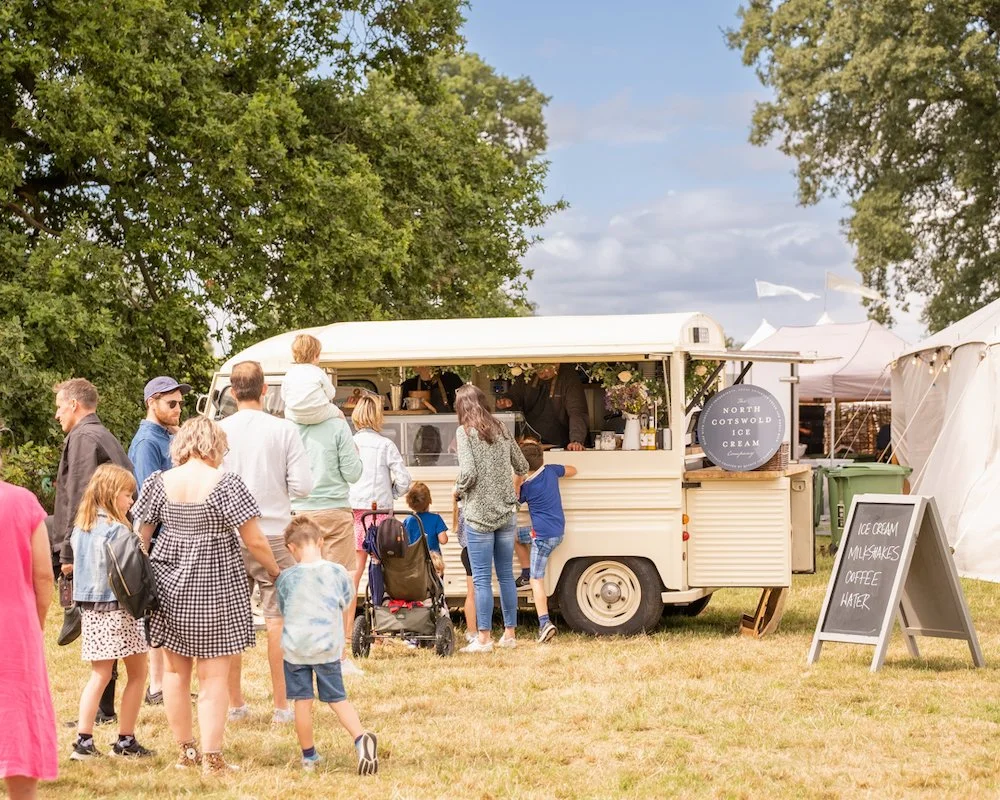
Summer is the moment many global travel and hospitality brands have been working towards all year. Occupancy climbs, enquiries flood in, and for a few golden months, demand does a lot of the heavy lifting. It can feel like the hard work is done.
But here's the truth: peak season isn't just about getting busy. It's about getting smart. The brands that come out of summer in the strongest financial position aren't necessarily the ones with the highest occupancy — they're the ones who planned ahead, maximised revenue per guest, and used the season's momentum to fuel growth long after the last booking has checked out.
1. Audit your pricing before the season hits
If your rates are the same as last year, you're likely leaving money on the table. Costs have risen across the board and your pricing should reflect that. Dynamic pricing — adjusting rates based on demand, lead time, and availability — can significantly increase revenue without requiring a single extra booking. Many properties undercharge out of fear. But the most loyal, satisfied guests are rarely the ones who chose you because you were cheapest.
2. Focus on revenue per guest, not just occupancy
Pre-arrival upsells, in-stay experiences, and post-stay touchpoints all increase average spend without increasing marketing costs. The key is making these feel like genuine enhancements, not a sales push. When a guest feels an upgrade will improve their stay, they'll take it — and thank you for it.
3. Lock in direct bookings now
OTA commissions are one of the biggest drains on margins. A summer full of OTA bookings is considerably less profitable than it looks. Give guests a compelling reason to book direct — a small upgrade, a complimentary experience, flexible cancellation — and communicate it clearly across all your channels.
4. Invest in your team before you need them
Staffing challenges quietly erode profit and reputation. Recruit and train ahead of peak season, not in the middle of it. A well-prepared team delivers better service, which drives better reviews, higher spend, and stronger word of mouth.
5. Use PR to build demand beyond your existing audience
Journalists and travel editors are planning their summer content well before the weather changes. Editorial coverage in the right publications can introduce your brand to thousands of high-intent travellers just as they're making decisions. The window to influence that coverage is open — but it won't be for long.
6. Capture reviews and content in real time
Summer is your single best opportunity to generate social proof, photography, and guest stories that will power your marketing for the rest of the year. Build a process for requesting reviews at the right moment — personal and timely, not generic and automated.
7. Plan for the shoulder season now
The most resilient travel brands use summer as a springboard. Build your email list, nurture relationships with past guests, and create the conditions for a strong autumn. The brands that plan for the full year — not just the peak — grow steadily and sustainably.
The bottom line
A busy summer is a gift. But profit doesn't happen by accident. At FAR Communications, we help travel and hospitality brands build the reputation and visibility that turns a good season into a great one.