How Travel Journalists Actually Decide What to Feature
An insider's guide to getting on the right radar — and staying there.
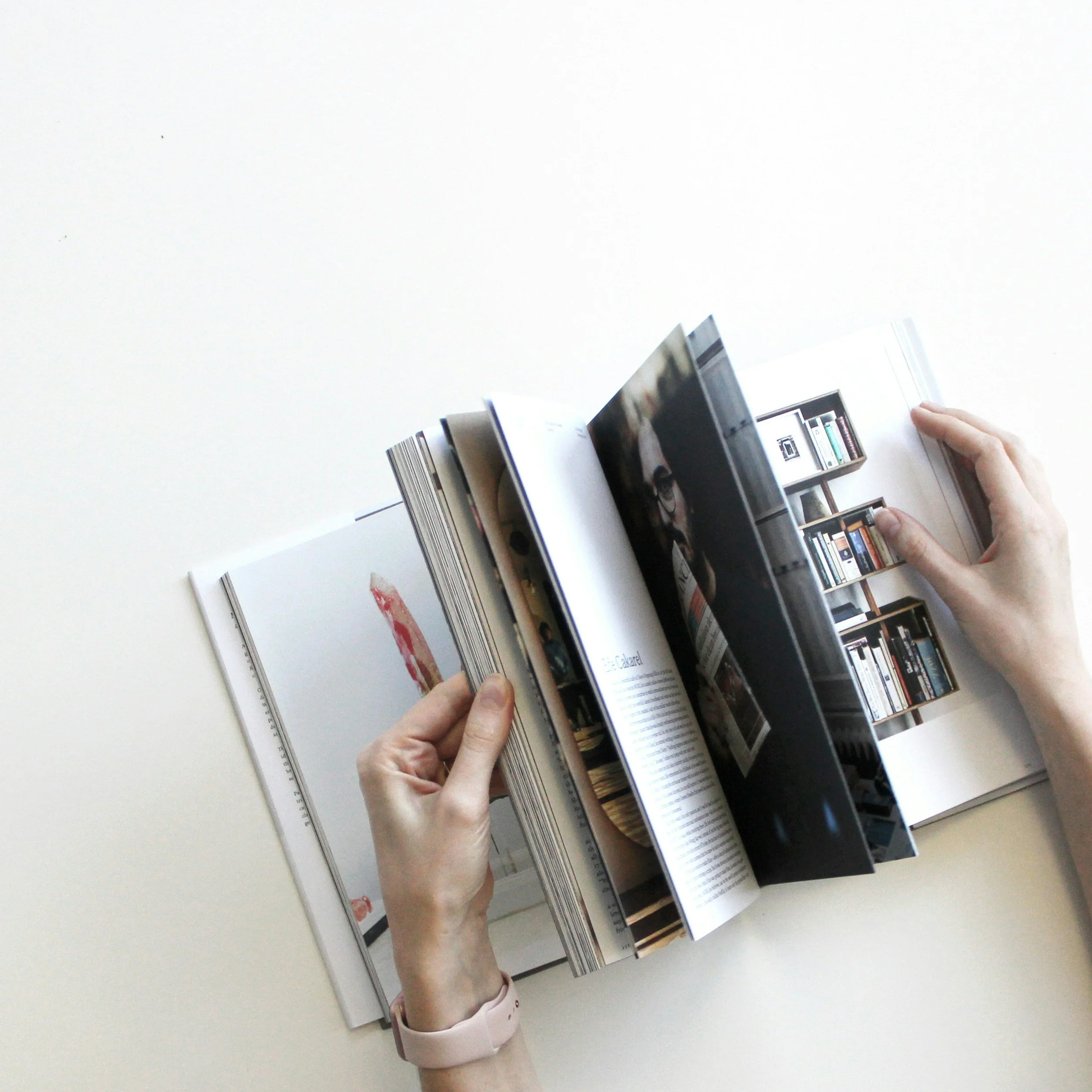
Every travel brand wants to be featured in the publications their ideal guests love. But most hotels, tour operators, pubs and cottage collections have very little insight into what actually happens on the other side of the pitch — how a travel journalist or editor moves from an overflowing inbox to a finished feature, and what makes one brand stand out while hundreds of others go unnoticed.
Having spent nearly two decades working with travel media across the UK and US, here are some useful insights into how those decisions are made.
First, understand what a travel journalist's inbox looks like
A senior travel editor at a national publication will receive hundreds of press releases, pitches, and unsolicited emails every single day. The vast majority are deleted without being opened. Of those that are opened, most are dismissed within a few seconds.
This is not because journalists are dismissive or difficult. It's because most pitches are poorly targeted, generic, or simply not relevant to what they're working on right now. Understanding this is the first step to doing PR differently.
What journalists are actually looking for
A story — not a description
The most common mistake travel brands make when pitching media is describing their property or experience rather than offering a story. "We are a luxury boutique hotel with 12 rooms, set in the heart of the Cotswolds" is a description. It tells a journalist what you are, but it gives them nothing to write about.
A story, by contrast, has an angle. It connects your brand to something happening in the world — a trend, a moment, a season, a conversation. "We've just restored a Grade II listed farmhouse using entirely local materials, and our head chef sources every ingredient within five miles" is a story. It has texture, specificity, and relevance.
Timeliness and editorial fit
Journalists work to editorial calendars, and most are planning their content weeks or months in advance. A pitch that arrives at the wrong moment — however good it is — will often be passed over simply because the relevant issue has already been commissioned.
Understanding lead times is critical. Monthly magazines typically work six to 12 months ahead. Newspaper supplements work two to six weeks ahead. Digital titles can move much faster. Pitching with this in mind — rather than pitching whenever you have news — dramatically increases the chances of being considered.
Originality
Travel journalists write about destinations and experiences for a living. They have seen everything. What cuts through is the genuinely unexpected — the property with a feature that doesn't exist anywhere else, the experience that solves a problem in a new way, the story that makes them think "I haven't read that before."
This doesn't mean your brand needs to be extraordinary in every dimension. It means understanding what is truly unique about what you offer and leading with that, every time.
Credibility and trust
A pitch from a PR professional with whom a journalist has a long-standing relationship will always get more attention than a cold email from an unfamiliar name — it's human. Journalists rely on trusted sources to bring them good stories consistently, and they prioritise those sources accordingly.
Building that kind of relationship takes time, consistency, and genuine understanding of what each journalist needs. It cannot be rushed, and it cannot be faked.
The role of press trips
For many travel brands, the press trip is the most powerful PR tool at hand. Inviting a journalist to experience your property, restaurant or destination first-hand creates the kind of rich, authentic coverage that no press release can generate.
But press trips work best when they are well-matched and well-managed. A journalist who covers sustainable travel for a broadsheet supplement has different needs — and will write a very different story — to a luxury lifestyle blogger with a large Instagram following. Understanding who to invite, when, and how to create an experience that generates the story you want is a skill in itself.
The best press trips feel effortless to the journalist. Every detail has been thought through, every experience is on-brand, and the story has been seeded — naturally, never heavy-handedly — from the very first moment of arrival.
What puts journalists off
It is just as useful to know what not to do. The following will undermine even the strongest pitch:
Generic distribution. A press release sent to a list of hundreds of contacts with no personalisation signals immediately that the sender doesn't know — or care — what any individual journalist actually covers.
Chasing too aggressively. Following up once, thoughtfully, is good practice. Following up three times in a week is not. Journalists remember who respects their time and who doesn't.
Over-promising. Claiming that your brand is "the best," "the only," or "the most" without evidence to support it is a red flag. Journalists are trained to question superlatives.
Not reading the publication. Pitching a family glamping experience to a journalist who exclusively covers solo luxury travel shows that you haven't done the most basic research. It wastes everyone's time and damages your credibility for future pitches.
What this means for your brand
The brands that consistently earn media coverage are not always the biggest, the most luxurious, or the most heavily marketed. They are the ones with a clear story, a genuine point of difference, and a PR strategy that puts the right narrative in front of the right journalist at the right time.
If you're not currently getting the coverage your brand deserves, the question to ask is not "why aren't journalists writing about us?" but "are we giving them the right story to tell?"
That's where we come in.